
Reduce Inflammation with Foods, Not Pills A Guide for Athletes
Our richest sources of anti-inflammatory omega-3 fatty acids come from fatty fish like salmon, mackerel, and canned sardines. Other good sources include extra-virgin olive oil, avocado, nuts, and seeds, like hemp hearts, chia seeds, and flax seeds. Anti-inflammatory Omega-3 fatty acids, found in things like fish, nuts, and seeds, can also help to reduce inflammation. Acute inflammation is temporary, and it can be a normal part of training, adapting, and getting stronger. It’s hard to define the quickest way to get rid of inflammation, but your doctor may recommend certain supplements or medications. You can also lower your inflammation by filling your diet with anti-inflammatory foods.
Blood Tests for Athletes to Boost Health and Performance
It offers personalized eating plans for a number of diets, one being the anti-inflammatory diet. Once you download, create a profile, and select the anti-inflammatory diet as the program for you, https://wakeuptaylor.boardhost.com/viewtopic.php?pid=42164 the app will give you a broad overview of what to eat, eat less of, and avoid, and then will map out recipes for your daily meals. By eating more real foods and fewer that are highly processed, you’ll automatically be filling up on those that can fight inflammation. How many of you are eating cauliflower, cabbage, broccoli, Brussels sprouts, or kale every day? Cruciferous vegetables are potent antioxidants, but also provide digestive benefits from their fiber, and a plethora of other vitamins and minerals, as well.
8. DIETARY VERSUS SUPPLEMENT SOURCES OF ANTIOXIDANTS
“An anti-inflammatory diet is an eating plan that works to reduce or minimize low-grade inflammation within our bodies,” she says. The classic signs of inflammation — swelling, pain, redness and loss of function — are common acute symptoms, but more chronic symptoms are a concern. Adjusting your diet can help you decrease inflammation and allow you to continue exercising.
How are nutrition and inflammation connected?
Polyphenols, which are found in non-starchy vegetables, also help tamp down the inflammatory response. Antioxidants found in fresh herbs, spices and some teas have also been found to reduce inflammation. Inflammation is a bit of a buzzword in health these days but in reality, it’s simply the effects of stress on your body.
- Our richest sources of anti-inflammatory omega-3 fatty acids come from fatty fish like salmon, mackerel, and canned sardines.
- My dad used to tell me, “Nothing good happens after midnight.” That’s good advice not only for college students but also for committed athletes.
- Finding quick carbohydrates isn’t too challenging, but protein on the go can be a bit trickier.
- It is likely that diets that increase fruit and/or vegetable intake (and therefore high in dietary antioxidants) have a number of unknown beneficial biological actions that cannot currently be identified or measured.
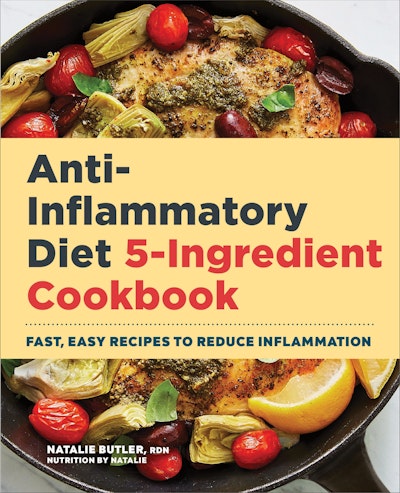
- An anti-inflammatory diet means increasing foods that research has shown can help lower inflammation while also reducing your intake of foods that have the opposite effect.
- If you’re managing a certain disease, such as diabetes, you may have dietary needs that this meal plan doesn’t address.
Chapter 11Inflammation and Immune Function
Another study which supports the theory of increased antioxidant capacity examined the impact of cherry juice supplementation compared with an energy-matched placebo on knee extension maximum voluntary contractions (Bowtell et al. 2010). Cherry juice supplementation substantially improved post-exercise recovery of isometric strength compared with placebo. Although this study is not specific to endurance athletes, the outcomes support the concept that improved antioxidant availability can delay time to fatigue and promote muscle recovery that potentially improves performance (Bowtell et al. 2010). Blueberry consumption prior to prolonged exercise (2.5 h of running) resulted in higher post-exercise NK cell counts and an increased concentration of anti-inflammatory cytokines compared with a control group (McAnulty et al. 2011). Ultra-endurance events are one area of endurance exercise and sport that warrants specific consideration for dietary antioxidant supplementation. These events attract substantial numbers of non-elite recreational competitors as well as elite endurance athletes.
7. ANTIOXIDANT STUDIES IN ATHLETES

This health charity site has a helpful list of anti-inflammatory foods to try in place of some of your usual go-tos. The page lists swaps for every meal, plus has extra tips to make it easier to stick with this way of eating. By incorporating colorful foods, which tend to be fruits and veggies, you’ll be adding foods that will fight inflammation. An anti-inflammatory diet means increasing foods that research has shown can help lower inflammation while also reducing your intake of foods that have the opposite effect.
3. IMPORTANCE OF ANTIOXIDANTS
They are a delicious topper to oats, yogurt, cereal, salads, or are wonderful blended into smoothies. Including fermented foods in your sports diet may also play a role in decreasing inflammation. Fermented foods are a source of helpful ‘bugs’ and refresh the community of probiotics in your digestive tract. Not only are whole grains and legumes excellent sources of complex carbohydrates essential to fueling your body for all your athletic endeavors, they also help to provide steady energy and balanced blood sugars to keep inflammation in check.
Healthiest Herbs to Help Reduce Inflammation and Boost Heart Health, According to Dietitians
Higher antioxidant intakes may help maintain a normal pro-oxidant/antioxidant balance. Endurance athletes who undertake very high levels of training, either living and/or training at moderate to high altitudes, or who participate in ultra-endurance competitions, may benefit from antioxidant supplementation. Quercetin is one of the few antioxidant supplements that has been examined in a number of studies and demonstrated a consistent performance benefit; however, the studies have been conducted mostly using untrained subjects. In a study of running performance in a 12-min treadmill test, a substantial improvement was observed in untrained subjects (Nieman et al. 2010). In another study, maximal oxygen uptake and cycle time to fatigue were increased following 7 days of quercetin supplementation compared to placebo (Davis et al. 2010), again in untrained subjects. Everyone can benefit from eating the foods thought to be anti-inflammatory, said Shapiro.
Potential Health Benefits of an Anti-Inflammatory Diet
While these issues are being resolved, athletes should seek advice on antioxidant supplementation from their health care practitioner(s) who should be assessing individual requirements in terms of underlying health, dietary intakes and training loads. Fruits and vegetables are high in antioxidants and phytochemicals, both types of micronutrients that help reduce inflammation. Other anti-inflammatory nutrients include omega-3 fatty acids — specifically the EPA and DHA varieties found in salmon, sardines and tuna, mono-unsaturated fats — found in olive oil — and herbs and spices — like ginger, turmeric and green tea.
It, therefore, seems logical that improving antioxidant supply during this period of increased oxidative stress would benefit health and possibly exercise performance. Studies have been conducted using the ‘live high, train low’ method of altitude exposure. Endurance training with intermittent resting hypoxia resulted in a decrease in resting plasma antioxidant levels, with little change in the control group without the hypoxic exposure (Pialoux et al. 2009b).
Reduce Inflammation with Foods, Not Pills — A Guide for Athletes
Ehsani has appeared as a food and nutrition expert for television stations across the nation and in national publications, including Runner’s World, Women’s Health, and Glamour, and is a contributing writer for EatingWell. She has a strong background in sports nutrition and has worked with professional, Olympic, collegiate, and high school teams and individual athletes. For most people, weight loss isn’t the primary objective in following an anti-inflammatory diet, but the diet’s healthy foods can help in that respect. Brittany Scanniello, RD, the founder of Eat Simply Nutrition in Boulder, Colorado, says to think of the anti-inflammatory diet as a lifestyle rather than a strict eating approach.